What Is Round Robin Scheduling and How It Improves Lead Distribution

If leads pile up and meetings need to be booked quickly, manual scheduling breaks down. Some reps might get overwhelmed while others have empty calendars, and prospects wait too long for a response.
When this happens, every minute of delay costs your business new opportunities. So, how can you keep things moving and make sure every lead gets a quick answer?
Round robin scheduling fixes bottlenecks and makes sure that every lead gets attention right when they're ready to talk.
This article shares what round robin scheduling is, how it works, and how you can implement it for sales meetings, events, onboarding, and support.
What is Round Robin Scheduling?
Round Robin Scheduling is an algorithm that assigns leads, meetings, or tasks evenly across a team in a cyclic fashion. Rather than manually deciding which rep gets which lead, the process is automated, giving everyone a chance to interact with promising prospects.
Each lead, task, or meeting goes to the next person in line, and once every team member has one, the rotation starts again.
For example, if you have 10 sales reps in your North America region, round-robin scheduling will assign leads to each rep in the order in which they come in. So rep A gets the first lead, rep B gets the second lead, and so on.
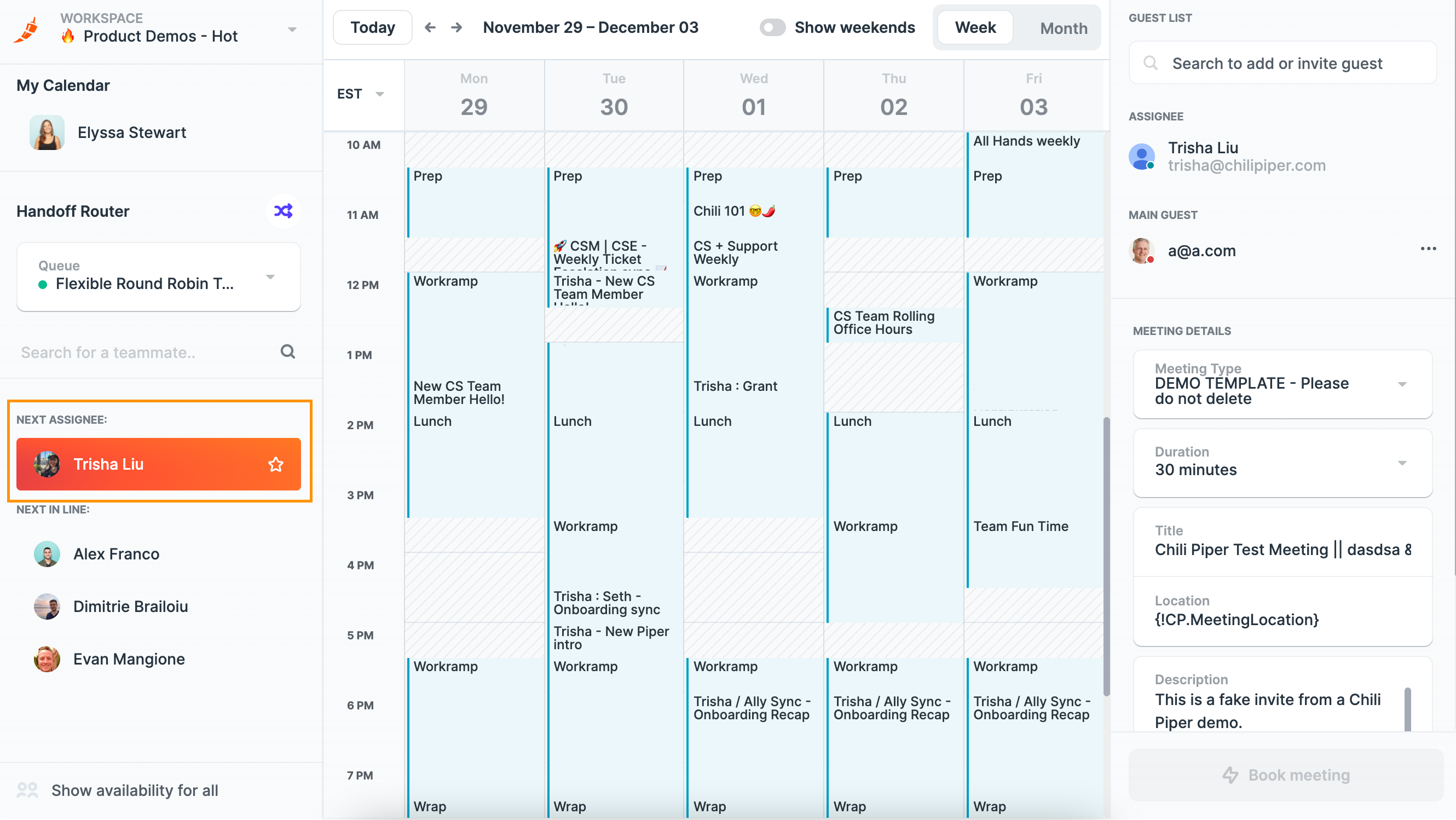
If you're an SDR assigning a meeting to an AE using Handoff, here's what the round-robin will look like as you're scheduling the meeting:
Rather than manually deciding which rep gets which lead, the process is automated, giving everyone a chance to interact with promising prospects.
Benefits of Round Robin Scheduling
So, what makes round robin scheduling such a favorite among revenue teams?
Here are 5 main benefits:
1. Better Speed to Lead
The faster your sales reps respond to leads, the better their chance is of converting.
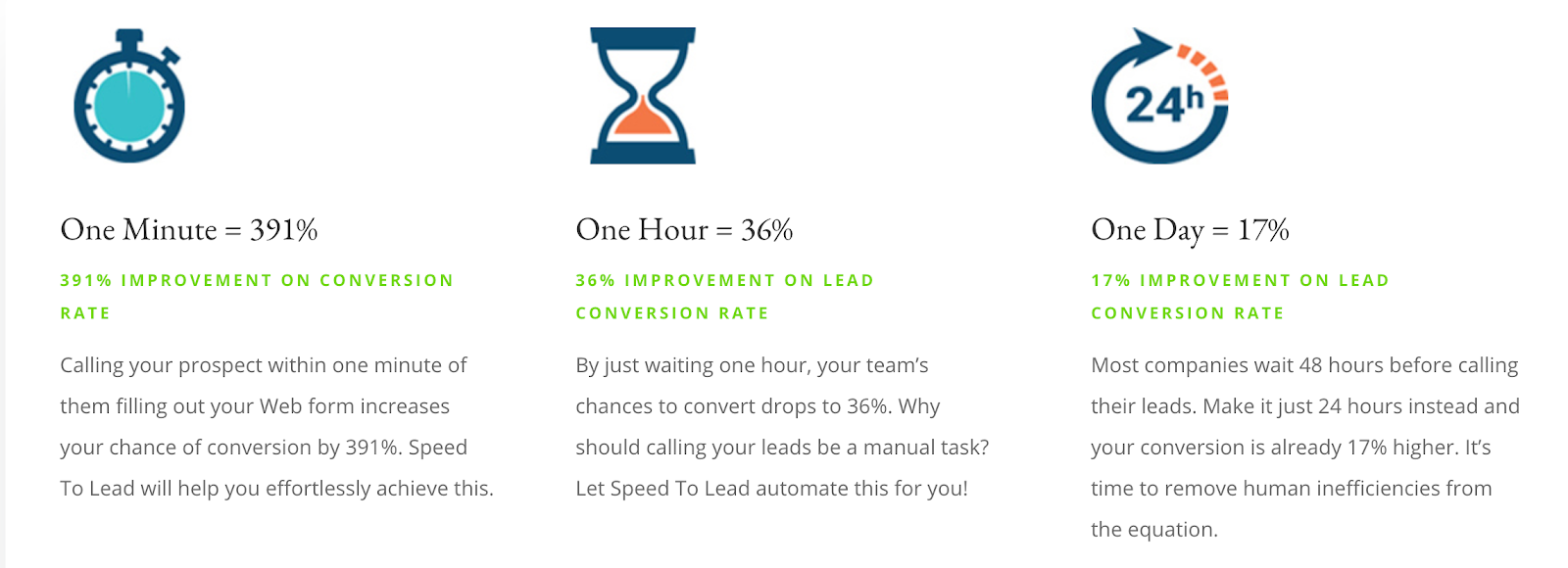
Respond within one minute, and the chance of converting increases by 391%.
Wait one hour, and it drops to 36%.
Wait one day, and it's down to just 17%.
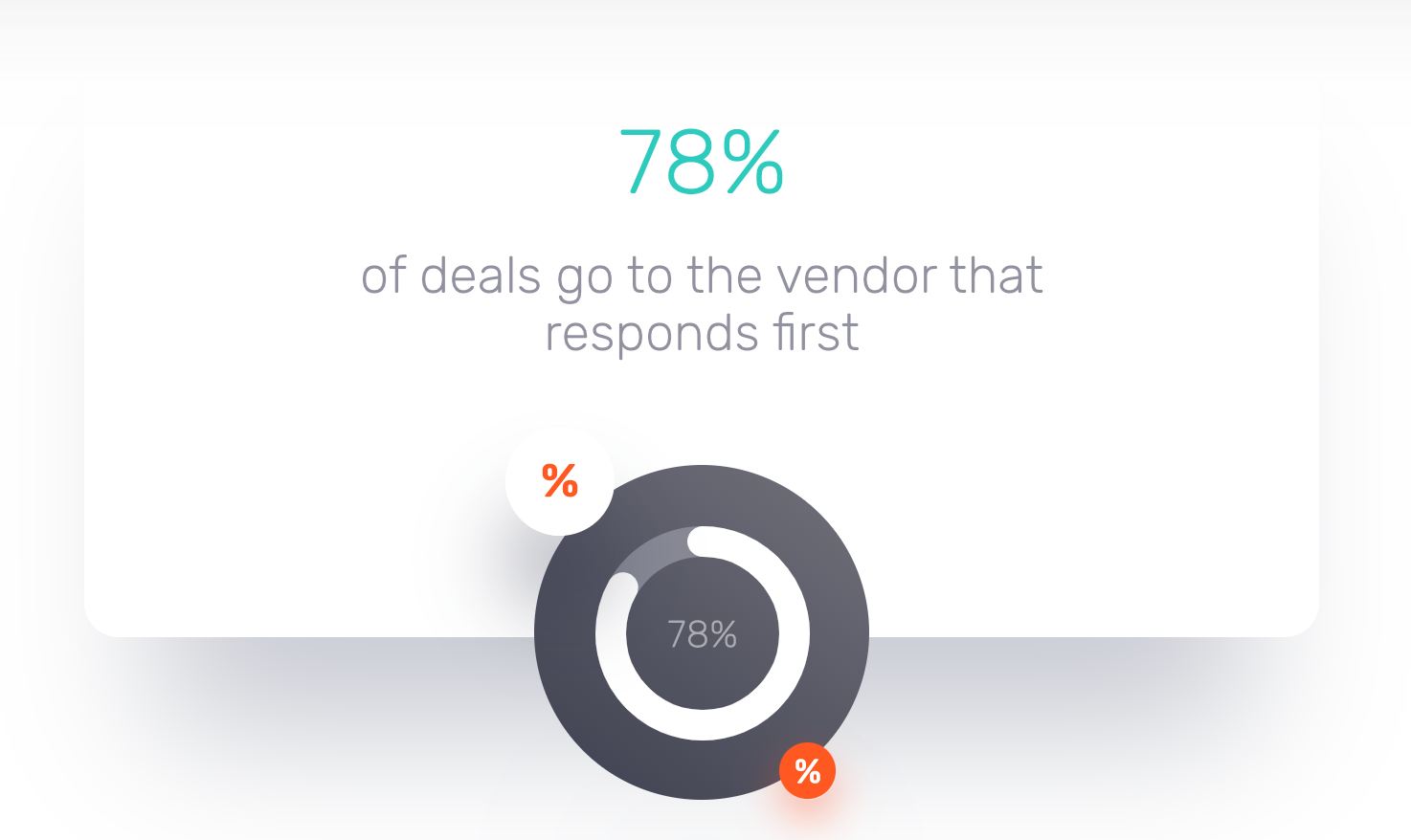
Research has also found that nearly four out of five deals go to the first vendor that responds.
Round Robin Scheduling removes the manual steps that slow down your team. Instead of waiting for someone to assign a lead or for reps to pick new leads from a queue, every new prospect is automatically routed.
At Chili Piper, the handoff is instant. As soon as a prospect books a meeting, they're automatically connected to the next available rep with no back-and-forth. Reps can respond while interest is still high or get on a call if the prospect wants to talk right away.
2. Fair allocation
Fair allocation is when all team members are getting assigned an equal share of incoming meetings.
With a round-robin scheduling process, meetings are distributed evenly across the team. Many teams accomplish this through a spreadsheet, where all the reps are listed and meetings are tallied on a month-by-month basis.
For small teams, a spreadsheet is a fine way to get started — but there are lots of inefficiencies. For example:
- Favoritism: Oftentimes SDRs will full-out ignore who is next in the queue and just assign the meeting to their favorite rep on the team. This leads to some reps getting more meetings than others.
- No accounting for vacation: When an AE goes on vacation, it's difficult to sync their meetings when they return from vacation. As a result, they often end up missing out on meetings every time they're OOO.
- Slower sales cycle: If the next AE in the queue isn't necessarily the next available time slot, it could slow down the sales cycle (since the prospect needs to wait longer for a meeting).
3. Adapts to your team schedule
Round Robin Scheduling ensures your team never misses new opportunities. When one rep is in a meeting, on a call, or out of office, the algorithm automatically routes the new lead to someone who is available.
With Chili Piper's robin round scheduling, reps can customize their availability based on their working hours, time zones, and meeting preferences.
If someone steps away for lunch or blocks time for deep work, the system automatically skips them until they become available again.
4. Clean data and reporting
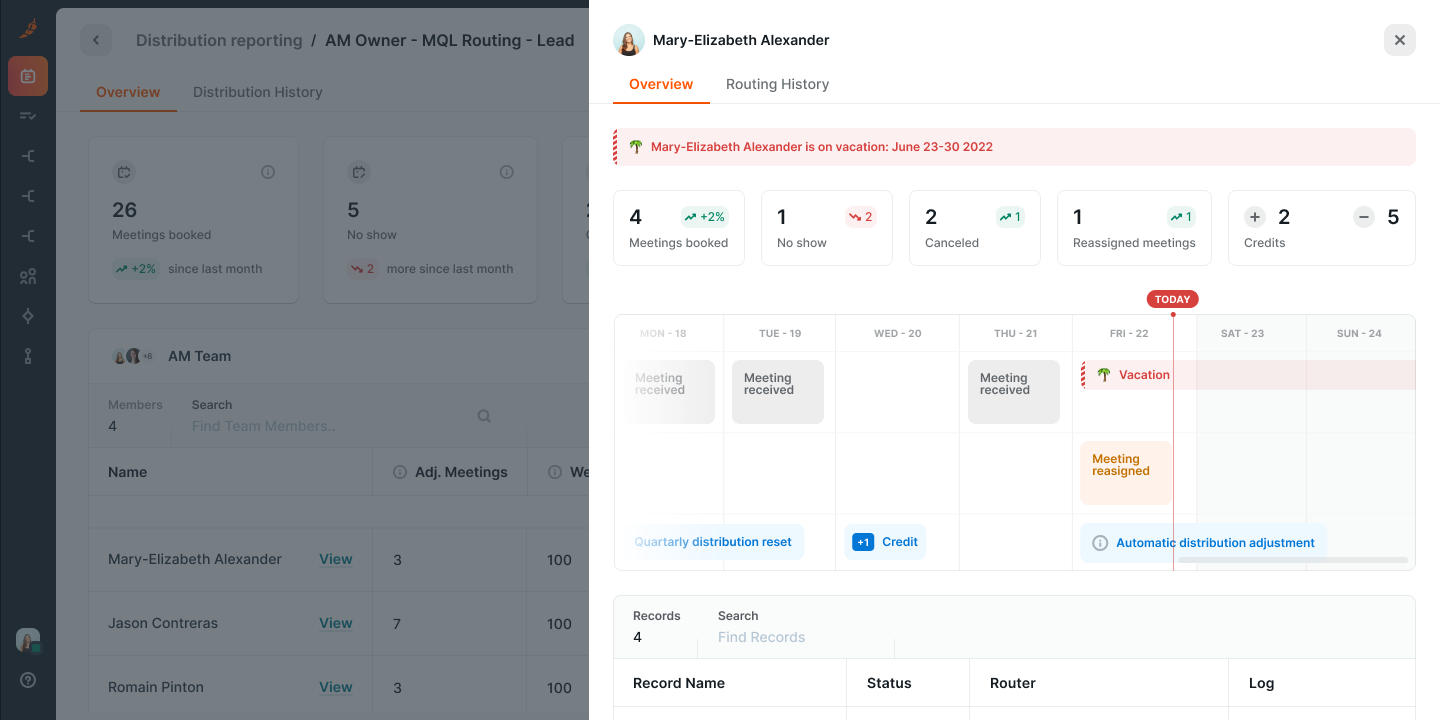
You get clean and reliable data when meetings and leads are distributed automatically. You know how many opportunities each rep received, how fast they followed up, and how many leads they turned into customers.
With round robin scheduling, every assignment follows the same rules so it's easy to track performance across reps and teams.
You can spot bottlenecks in your sales funnel, measure efficiency, and make data-driven decisions to improve routing and follow-up strategies.
5. Consistent customer experience
Round robin gives every prospect a reliable and consistent experience, no matter when they reach out. Prospects aren't left waiting due to busy calendars or because someone forgot to assign them to a rep.
The consistency builds trust from the first interaction, which makes prospects feel prioritized, not passed around. And building trust pays off. When your prospects get a quick response, they're more likely to stay engaged and move forward in their buying journey.
How to Set Up the Round Robin Algorithm
At this point, you know what round robin scheduling is, you know there's something called a "round robin algorithm", and you know that you can set up a round robin event type in Chili Piper.
But how does this all fit together?
First, some definitions.
What is a Round Robin Algorithm?
A round-robin algorithm can optimize for both equal distribution and availability. This means ensuring your team members are given equal priority for meetings while ensuring your customers can book the earliest available time.
Although the concept is easy — everyone takes turns — there are a lot of variables that require configuration.
Thankfully, with tools like Chili Piper that automate the process, it's not complicated to do so.
Here are the basic steps to follow when getting set up.
How do you set up the rules for the round-robin algorithm?
The first step is to configure routing rules based on the specific rules within your company.
For example, you can set it up so the platform will credit back an assignee if a lead is a no-show or a meeting is canceled.
You can also allow a re-assignment for events.
Or, you can assign different weights for each assignee based on their experience level and other factors.
Also, note that there's a "flexible round robin," where a user can skip the suggested rep and select other users to book a meeting instead.
And there's "strict round robin," where a user can't select other users, and they can only select the next user in the queue to book a meeting.
This allows for plenty of customization so you can distribute leads based on your own unique preferences.
You can get more details on how the round-robin algorithm works for Chili Piper and how to configure routing rules in this guide.
How to combine round-robin rules across teams?
Let's say you have a round-robin queue for your North American Enterprise team members — Mary, Joe, and Stacy. But you also have a round-robin queue for your Canada - Enterprise team members — Mary, Joe, and Mike.
How do you make sure distribution is fair across the two teams?
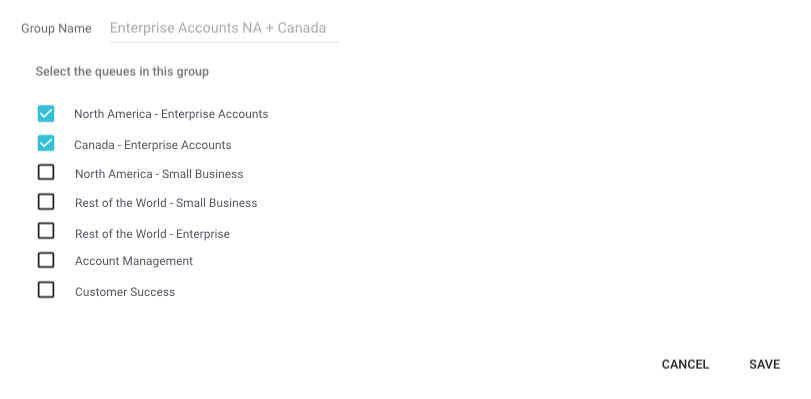
With Chili Piper, you can combine your round-robin counter across queues. This makes sure that you optimize for equal distribution across your entire team of reps — regardless of whether they're included in multiple round-robin queues.
How can the round-robin algorithm optimize for equal distribution and availability?
Meetings booked within Chili Piper within a round-robin are "counted" for a period of time (this period of time is configured in your admin settings). By default, the round-robin resets itself every month.
A team member receiving a meeting is called an Assignee in Chili Piper. A team member booking a meeting is called a Booker.
By default, the app suggests — with a star — the team member with the fewest number of meetings for the time period.
If the next assignee is not available to take the meeting, you can click on Availability for All.
Then, the round-robin algorithm will provide availability for all reps, so your prospect can choose the time slot that works best for them.
You can choose to set up your round-robin event as:
- Strict: You can only select the next assignee to receive a meeting
- Flexible: You can select other team members as well
In both cases, Availability for All can be selected and the round robin algorithm picks the team member with the fewest meetings available at the specific time limit you selected.
The benefit of a flexible round-robin event is that you can increase conversions and shorten the sales cycle. The more availability you offer a customer, the more likely they find a suitable time slot that works for them — and the sooner you close the deal!
How to set up a round-robin event type
Setting up a round-robin event type is easy. Here's how you do it:
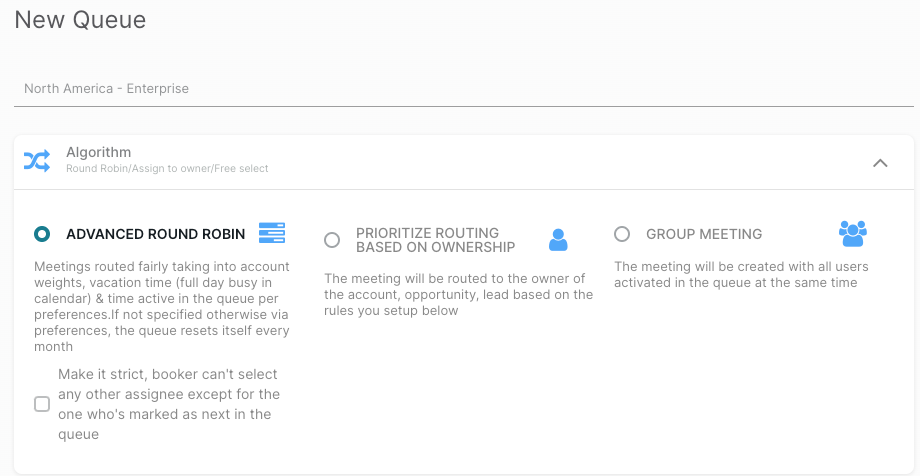
1. Create a new queue
From here, you can choose your queue types. If we're creating a round-robin event type, we'll choose "Advanced Round Robin" as our queue type.
It's worth noting that Advanced Round Robin is the most widely used algorithm type for setting up queues.
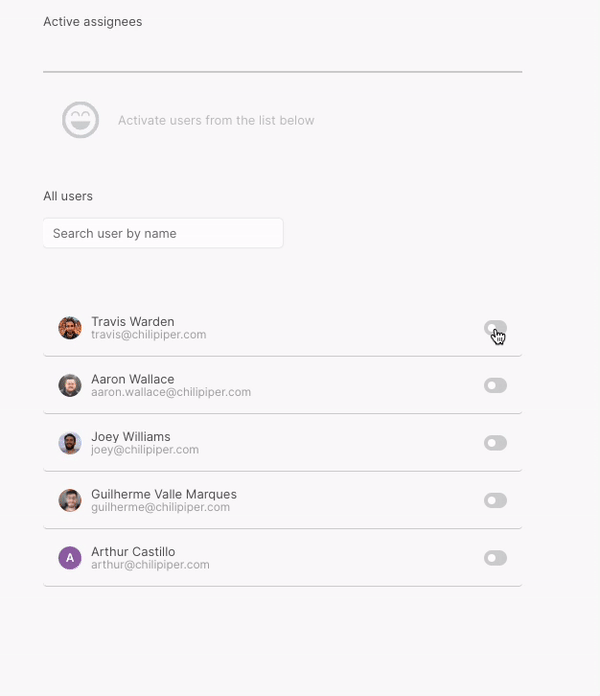
2. Add team members to your queue
If we're creating the queue for the North America - Enterprise team, add all team members that are part of that team.
3. Add queue rules
Rules allow you to specify the criteria and characteristics a prospect will need to match before booking a meeting into a queue.
Rules are made up of:
- Object
- Field
- Operator
- Value
- Logic
4. Map your form
Finally, map the fields from your CRM and Forms to Chili Piper! You'll need to repeat this process if you have different forms with different fields.
And that's it! You've completed setting up your round robin event type.
For a step-by-step for how to set up your round robin event type (with screenshots and all that good stuff), check our Form Concierge Set-Up Guide.
Automating Round Robin Scheduling
Automating the round-robin process is a great way to optimize time slots and ensure reps all get an equal share of leads, without giving anyone special priority.
The process is based on the round-robin principle, which is a real-time algorithm that works by allowing each process to be executed for a specific period of time before it is preempted by the execution of another process.
Here's an example of how it works, using Chili Piper's team scheduling features:
- Chili Piper sees who is next in the round-robin queue
- The prospect sees all available time slots
- The prospect chooses the time slot that works best for them
Chili Piper also takes into account vacation time for your team and different weights you might want to assign to different teammates (for instance you might want fewer meetings for teammates that have just joined the team).
By automating the round-robin process, organizations can save time and ensure that their events are optimized for availability and equal distribution.
Through the use of pre-emptive algorithms and a context-switching method, the round-robin process ensures that no process is left behind or unfairly allocated.
In addition, the automation of this process allows for teams to create a better understanding of their capacity.
Frequently Asked Questions
What is round robin scheduling?
Round robin is an algorithm that evenly assigns leads among team members. Each new lead is routed to the next rep in line, keeping workloads balanced.
How does round robin scheduling work?
Round robin scheduling is when leads are sent to reps in a rotational manner based on their position in a queue. The process is done automatically based on configured routing rules.
What are the benefits of round robin scheduling?
The main benefit of round-robin scheduling is that it improves conversions and ensures equal distribution. It's also easily implementable.
Does round robin skip reps that are unavailable?
Yes. When a rep is already in a meeting or out of office, round robin automatically skips them and routes the lead to the next available rep.
Is round-robin scheduling easily implementable?
Yes! It's very easy to set up round robin scheduling. If you're using a tool like Chili Piper, some customers install in under an hour. Training and setup is included with purchase.