Resource hub
Warning: Spicy content below
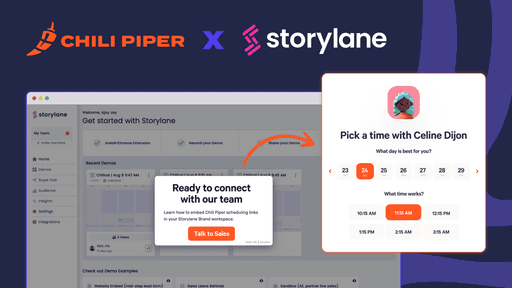


Most recent

2026: What works (from leaders doing the work)
Articlesread now
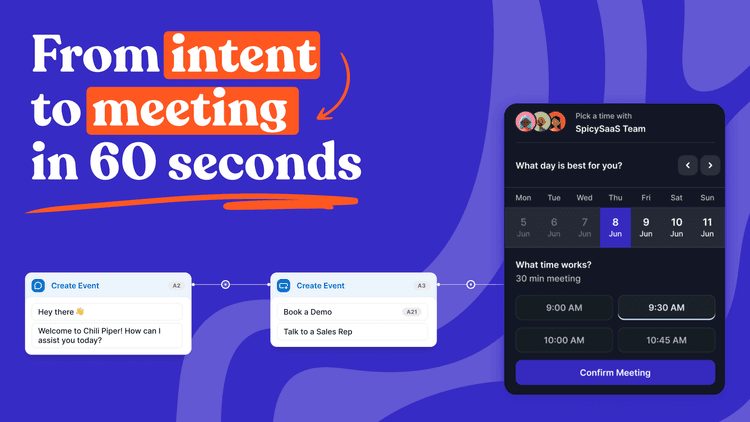
How Chili Piper turns high-intent prospects into meetings in 60 seconds
Articlesread now

The 2026 GTM Budget Framework
Marketingread now
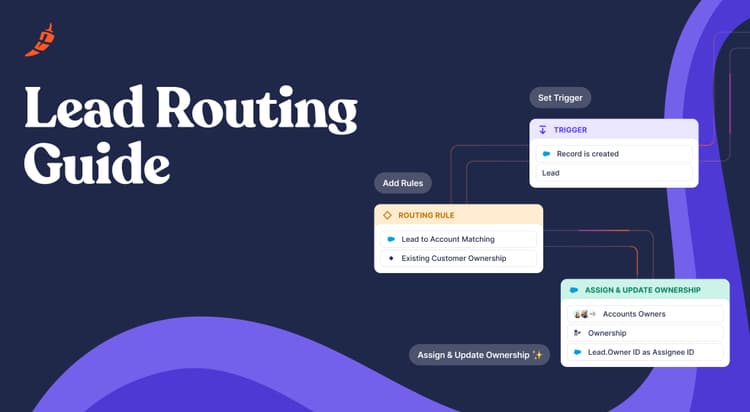
The Ultimate Lead Routing Guide and Tech Stack
Articlesread now

AI Chatbots vs traditional chatbots: Why GTM teams are making the switch
Articlesread now

How GTM teams use AI chatbots to book more meetings, faster
Articlesread now

Sales Acceleration Formula: Summary, Takeaways, and Tactics
Salesread now

7 Outbound Lead Generation Strategies (What Works in 2025)
Demand Generationread now

What Is Round Robin Scheduling and How It Improves Lead Distribution
Articlesread now

Lead conversion rate formula and how to improve yours
Demand Generationread now
What Is Speed to Lead and Why It Still Matters
Articlesread now

How to keep spam out of your inbound pipeline
Demand Conversionread now

How enrichment for form shortening boosts conversions and data quality
Articlesread now
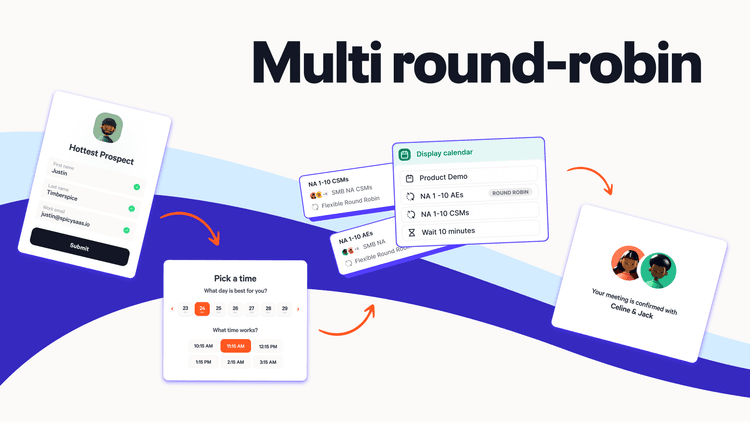
How to book meetings with multiple stakeholders
Demand Generationread now

How One Change Increased Mobile Conversion Rates by 49%
Articlesread now

10 Best B2B Lead Generation Strategies to Drive Qualified Leads
Demand Generationread now

What Is Lead Response Time and How It Wins You More Deals
Articlesread now

Make buying easy: 7 proven funnel fixes (and 3 mistakes to avoid)
Articlesread now

2025 B2B Buyer First Report: What the Top 100 SaaS Companies Are (and Aren't) Doing
Articlesread now

No Pitches, Just Real Talk: How We're Building Chili Piper's Future, in the Desert
Articlesread now
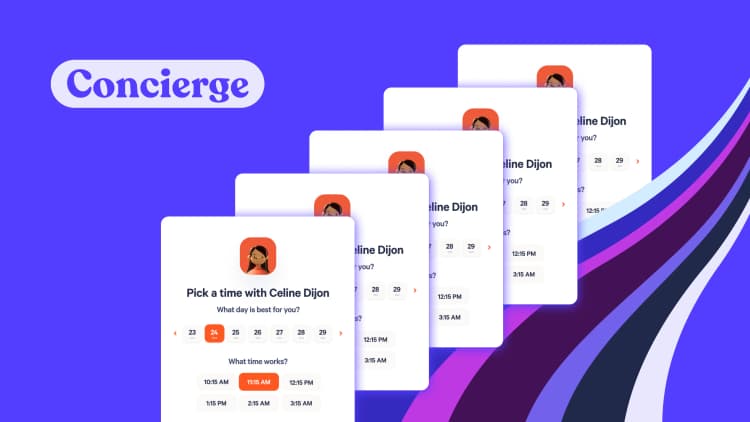
5 Spicy Concierge Use Cases to Shorten the Sales Cycle
Articlesread now
How Chili Piper Uses Chili Piper: Distro
Articlesread now

2025 Benchmark Report on Demo Form Conversion Rates
Articlesread now
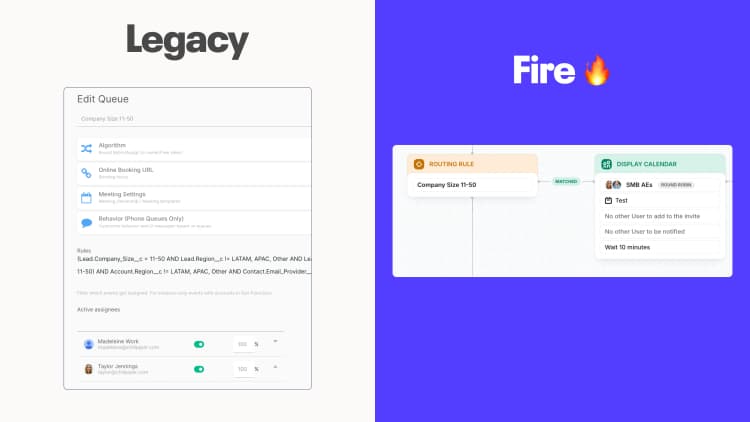
Chili Piper is Better In Fire
Articlesread now

2024 Marketing Wrapped: 5 Fails, 3 Wins, and 4 Resolutions
Marketingread now

How Chili Piper embraced AI/automation as a core value
Companyread now

Chili Piper Has Fuzzy Matching? Yup.
Articlesread now

Why Most Chatbots Can't Convert Demand Like Chili Piper
Articlesread now

Chili Piper Has Chat? Heck Yes We Do.
Articles/Resourcesread now

Choosing the Right Chatbot for Your Website in 2025
Articlesread now
Chatty Chatbots Aren't It: Chili Piper Converts More Demand Than Chatbots Alone
Articlesread now

Data a Little Too Lean? Here Are 5 Reasons Why Chili Piper's New Updates Beat LeanData—At a Leaner Price
Articlesread now

How ChiliCal Smart Features are Revolutionizing Scheduling
Articlesread now

Alina Vandenberghe: Bio and recordings
Articlesread now

5 Tips to Revamp Your Outbound Sales and Get up to 10% Close Rate
Articlesread now
Demand Conversion: How Top Revenue Teams Create, Convert, and Close More Qualified Revenue
Demand Generationread now

No More No-Shows: Will Aitken's Guide to Getting Your Prospects on the Call
Articlesread now

Create Unforgettable B2B Marketing Moments at Your Next Event
Articlesread now

Speed to Lead: The Marketing "Last Mile" Problem
Articlesread now

Blending Your Pipeline is Costing You Revenue (And How To Fix It)
Articlesread now
5 Tactics to Supercharge Your Outbound Strategy
Articlesread now
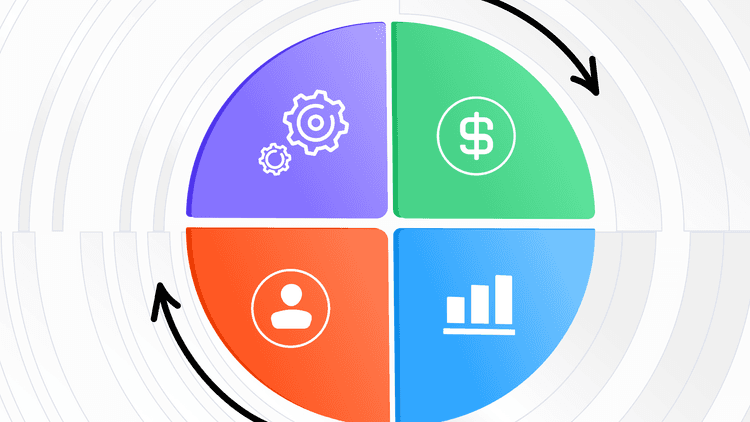
Mastering Sales & Marketing Alignment: Strategies for Success
Marketingread now
Full Funnel 4ever: 5 Ways to Use Distro from Pre- to Post-Sales
Articlesread now

Inbound Sales Masterclass: Tips from B2B Sales Experts
Articlesread now

Why Authenticity Is Your New Ad Strategy with LinkedIn's Thought Leader Ads
Demand Generationread now

The Best B2B Marketing Podcasts of 2024 - Our Community Has Spoken
Articlesread now
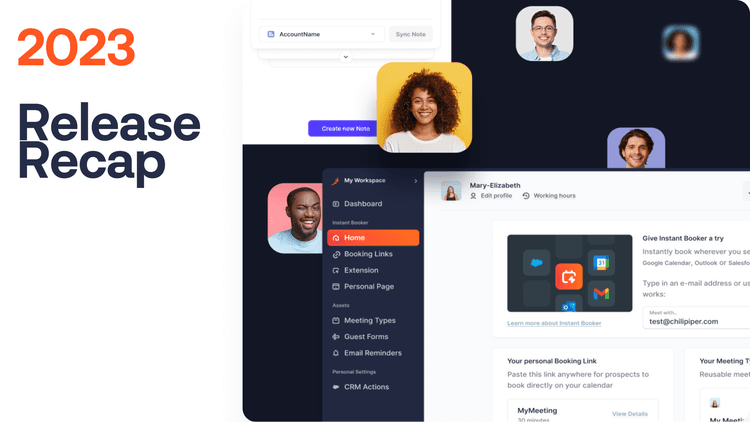
2023 Release Recap: What's New for Distro in 2023
Product Updatesread now

How We Generated $340k in Pipeline by Making Booking Less Convoluted and More Personal
Articlesread now

Lessons after 12 months of CMO-ing
Articlesread now

How We Booked 97 Meetings at a Single Event
Articlesread now

6 Digital Agencies Using AI in 2023
Articlesread now
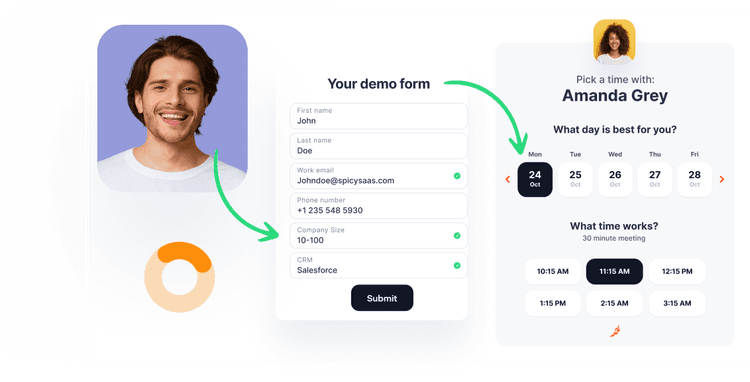
Online Scheduling Software Reviews | 2023
Demand Generationread now

Best Free Appointment Scheduling Software | Right Here
Articlesread now

Improve your conversions with Clearbit and Chili Piper
Articlesread now

How the Chili Piper Team Uses AI
Articlesread now

YouCanBookMe Alternative for Revenue Teams
Articlesread now

Google Calendar Alternative for Hitting Your Meeting Goals
Articlesread now

Is Cold Calling Dead? Maybe.
Articlesread now
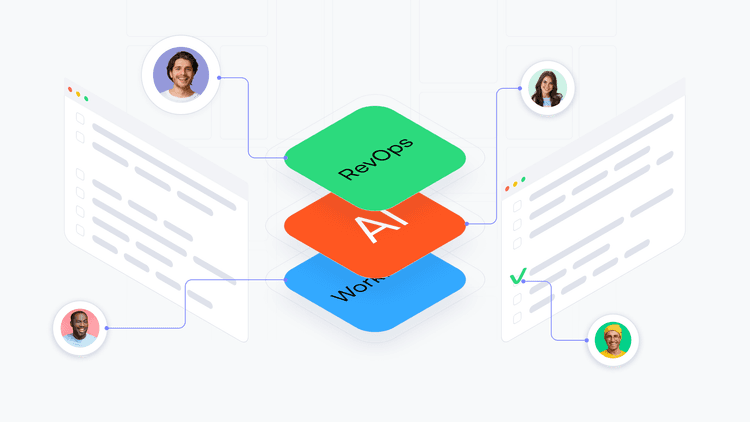
How RevOps Teams are Improving Their Workflow with AI
Articlesread now

What Some Marketers Are Doing To 9x Their Power With AI
Marketingread now
Concierge Everywhere - Partner Integrations
Articlesread now

5 Reasons Not to Join the Hubolution
Articlesread now

Doodle Alternatives | How to Pick the Best Scheduling Solution for You
Salesread now
![How to Write Reminder Emails that Reduce No-Shows [+examples]](/_next/image?url=https%3A%2F%2Fgfcjn7yngdnajsgl.public.blob.vercel-storage.com%2Fwebflow%2Ff7014d%2F64b1893f5145ccd23d05bdc9_Cover%2520%25282%2529.png&w=750&q=75)
How to Write Reminder Emails that Reduce No-Shows [+examples]
Articlesread now
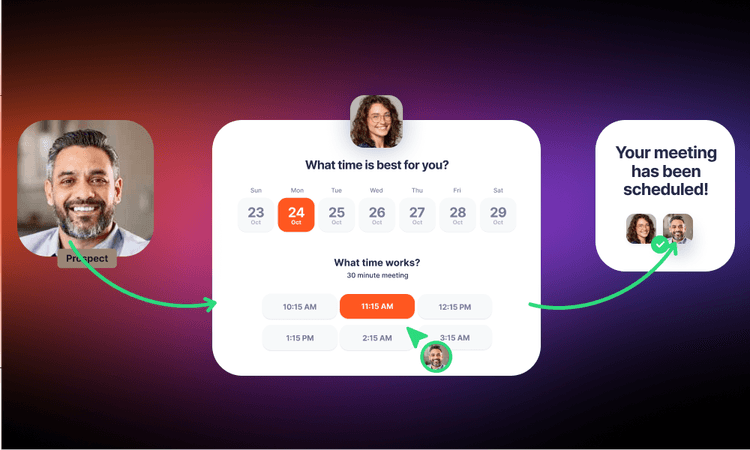
10 Best Appointment Scheduling Apps in 2023 (Free and Paid)
Articlesread now

The Complete Guide to Simpler Demand Gen
Articlesread now
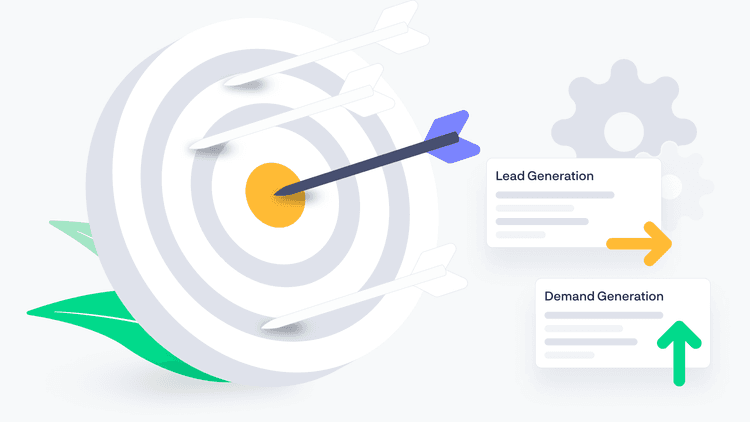
Demand Generation Defined & Explained + FAQs
Demand Generationread now

What it Takes to Thrive on the Marketing Team at Chili Piper
Articlesread now

How to Start a B2B Podcast
Articlesread now

B2B Buyer Best Practices Report
Resourcesread now

So you want to start a B2B podcast?
Articlesread now

The Ultimate Guide for RevOps and CFOs To Thrive During Economic Instability
Articlesread now

How to build a powerful webinar series that drives engagement and revenue
Articlesread now

Google's 'Unknown Sender' Policy and Chili Piper
Articlesread now
3 Conversational AI Prompts To Supercharge Your Content Marketing Program
Articlesread now

How 17 SDRs Booked 580 Meetings in Q1
Salesread now

The 8 Best Calendly Alternatives in 2023 (Free & Paid Options)
Articlesread now

Marketing Automation Workflows You May Not Have Considered
Articlesread now

3 Surefire Tactics to Increase Your Form Conversion Rate
Articlesread now

Now is when it counts: How to revamp your sales leadership strategy in 2023
Articlesread now
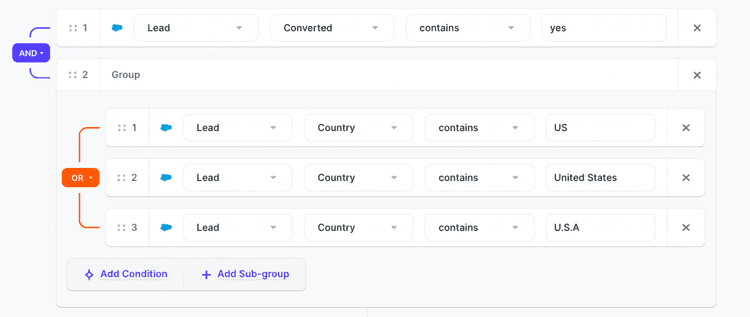
Introducing the Fire Experience - Our Biggest Redesign Yet
Articlesread now

Inside Sales vs Outside Sales: A Detailed Comparison
Articlesread now
How to Craft an Outbound Strategy Leading with Unknown Problems
Articlesread now

3 Ways To Generate More Pipeline From Your Ads (Without Increasing Your Budget)
Demand Conversionread now

How We Built the Chili Piper Brand
Articlesread now

How We Structure Our Engineering Team As A Product-First Company
Articlesread now
![How 17 SDRs Booked 260 Meetings Last Month [A Cold Email Checklist]](/_next/image?url=https%3A%2F%2Fgfcjn7yngdnajsgl.public.blob.vercel-storage.com%2Fwebflow%2Ff7014d%2F63eec049c189678b1e8c1fa9_How-17-SDRs-Booked-260-Meetings.jpg&w=750&q=75)
How 17 SDRs Booked 260 Meetings Last Month [A Cold Email Checklist]
Salesread now
3 Ways to Automate Your Sales Workflow with GPT-3
Articlesread now

How We Measure Brand at Chili Piper
Marketingread now

The Best Appointment Scheduling Tool – Top 12 Features
Articlesread now

7 Meeting Schedulers Guaranteed To Organize Your Day
Articlesread now

How Our Customer Love Team Achieved 100% Customer Satisfaction (CSAT)
Articlesread now

11 Things B2B Marketers Should Know Going Into 2023
Demand Generationread now

Appointment Scheduling Software | What To Look For
Salesread now

The 10 Spiciest Articles of 2022
Marketingread now

5 Steps to Automatically Add Inbound Leads to a Salesloft Cadence Using Distro
RevOpsread now

20 Marketing Predictions for 2023 (That Don't Suck)
Articlesread now
The 2022 Product Digest
Articlesread now

The Busy Marketer's Guide to Migrating to Google Analytics 4 (GA4)
Articlesread now

Perfecting the SDR to AE Handoff
Articlesread now

Why We Always Demo on the First Call
Articlesread now

How We Create Our Go-to-Market Strategy
Demand Generationread now

Nicolas and Alina's letter to Pipers
Companyread now

How We Used Lead Routing To Reactivate $500K In ARR
Articlesread now
Table code
Articlesread now
Test post for Tonik
Articlesread now
How to Optimize Conversion Rates at Every Funnel Stage
Articlesread now

How To Build A People Team That Puts People First
Articlesread now

How We Built A Development Culture That Works
Articlesread now

What I Did During My First 30 Days as CMO
Articlesread now
How to Build a CAB People Are Excited About
Articlesread now
How we scaled the cloud infrastructure at a $20M+ startup
Articlesread now

Why We Don't Treat Others the Way We Want to Be Treated
Articlesread now

You're Sitting on a Gold Mine. They're Called User Reviews.
Demand Generationread now
![How To Set Up A Kick-SaaS Research Study [Template Included!]](/_next/image?url=https%3A%2F%2Fgfcjn7yngdnajsgl.public.blob.vercel-storage.com%2Fwebflow%2Ff7014d%2F632dd15890fe8267dbc01918_kick-saas%2520research%2520study.png&w=750&q=75)
How To Set Up A Kick-SaaS Research Study [Template Included!]
Articlesread now
Our CSMs sourced growth ops. 91% of them closed. Here's what we did.
Articlesread now

Chili Piper's Customer Success Handbook
Customer Successread now
1 year later: Reflections on building our very own CSM headcount calculator
Articlesread now

Webinar Recap: From Leaky Bucket to Revenue Engine
Articlesread now

Chili Piper: Building the Company of the Future
Articlesread now

How B2B Marketers Ruined Gated Content (and why we don't focus on driving MQLs at Chili Piper)
Articlesread now

How We Discarded MQLs and Embraced Dark Social
Demand Generationread now

Why We Don't Have Budgets At Chili Piper
Companyread now

Why We Don't Offer Discounts At Chili Piper. Ever
Articlesread now

How Chili Piper got 7,500 job applicants from TikTok
Articlesread now

Top 32 RevOps Leaders
RevOpsread now
Workshop Recap: Routing Recipes for Your Sales and Ops Teams
Resourcesread now

5 questions to ask when buying software in a bear market
Articlesread now

Lead Qualification: How to Pinpoint Leads That Can Close
Salesread now
![Illuminating the Dark Funnel: 7 Ways to Use it to Your Advantage [+ Examples]](/_next/image?url=https%3A%2F%2Fgfcjn7yngdnajsgl.public.blob.vercel-storage.com%2Fwebflow%2Ff7014d%2F631f4e299da0840d97ecb509_Illuminating%2520Dark%2520Funnel.png&w=750&q=75)
Illuminating the Dark Funnel: 7 Ways to Use it to Your Advantage [+ Examples]
Demand Generationread now

Prioritizing Marketing Initiatives: How to Overcome Objections and Get What You Want
Articlesread now

8 reasons why you might be unhappy working from home
Articlesread now

Work Smarter, Not Harder: How Automated Lead Routing Smooths Out the Buyer's Journey
Demand Generationread now

From Our Ops Team to Yours: Routing Recipes You Don’t Want to Miss
Articlesread now

The Decision Memo Framework That Saved Us $70K
Articlesread now

The Rise and Fall of the Inbound SDR
Demand Generationread now

Fireside: The Fireside Chat Where You Might Get Burned
Articlesread now

Kevin Dorsey - Inbound Masterclass
Articlesread now
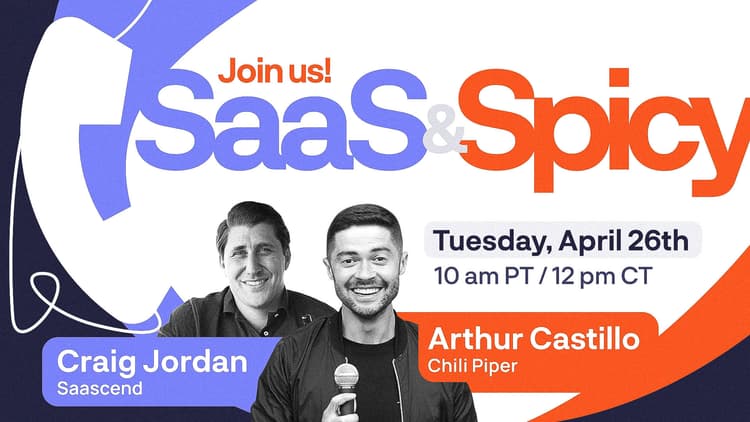
Webinar: SaaS & Spicy Lead Qualification
Articlesread now

This Scheduling Hack Will 3x Your Chances of a Booked Meeting
Articlesread now
The Anti-Demo Demo
Articlesread now

5 Tried-And-True Strategies to Boost B2B Website Conversions
Articlesread now

5 LeanData Alternatives Based On What You're Trying To Do
Demand Generationread now

Lead to Opportunity Conversion Rate: Optimizing for 2022
Demand Generationread now

What Is CRO Marketing? Optimizing for the Modern B2B Buyer
Marketingread now
![How We Promoted 60 Pipers in 12 Months [+Framework]](/_next/image?url=https%3A%2F%2Fgfcjn7yngdnajsgl.public.blob.vercel-storage.com%2Fwebflow%2Ff7014d%2F6359cfed3a68a492e7ec3c29_aHViPTEyMDA1MiZjbWQ9aXRlbWVkaXRvcmltYWdlJmZpbGVuYW1lPWl0ZW1lZGl0b3JpbWFnZV82MWZkYTZkMWJlOWM3LmpwZyZ2ZXJzaW9uPTAwMDAmc2lnPTY4NTAyOTNjY2Q2ODRhNmIyMTUwYmZkMjhlZTlmMmNl.png&w=750&q=75)
How We Promoted 60 Pipers in 12 Months [+Framework]
People & Cultureread now
Chili Insights: Average B2B Vendor Response Times
Researchread now

Lead to Account Matching: How to Automate and Close Deals
Demand Generationread now

10 Useful B2B Marketing Automation Examples to Apply in 2022
Marketingread now

11 Marketing Automation Best Practices to Maximize Growth
Marketingread now

Re-engagement Campaign Ideas To Revive Dead Opps
Articlesread now

Marketing Automation is Dead, Welcome People-Powered Marketing!
Demand Generationread now

Optimizing Your Advertising in a Crowded Digital Landscape
Demand Generationread now

RevOps Advice You Can Implement Today
RevOpsread now

Sales Automation – How to Supercharge Sales
Salesread now
A Complete Guide to B2B Marketing Automation
Marketingread now

B2B Account-Based Marketing: The Ultimate Guide
Marketingread now

F.A.Q: The Ultimate Guide to Time Blocking
Resourcesread now

2022 Conversion Rate Benchmarks: How Do You Stack Up?
Articlesread now

Conversion Rate Optimization (CRO): Everything You Need to Know
Marketingread now

Your RevOps Swipe File For 2022
RevOpsread now

What Is Sales Acceleration? The Ultimate Guide
Salesread now
![How to Accurately Plan CSM Headcount [+template]](/_next/image?url=https%3A%2F%2Fgfcjn7yngdnajsgl.public.blob.vercel-storage.com%2Fwebflow%2Ff7014d%2F6359cffd8cc7e69f408841b7_aHViPTEyMDA1MiZjbWQ9aXRlbWVkaXRvcmltYWdlJmZpbGVuYW1lPWl0ZW1lZGl0b3JpbWFnZV82MWJiNmM0MzI5MjNkLmpwZyZ2ZXJzaW9uPTAwMDAmc2lnPWU1NmJmYzkxZmUwN2E1MDcwYmE5NDE5NTQ3ZDRjMmE1.jpeg&w=750&q=75)
How to Accurately Plan CSM Headcount [+template]
Customer Successread now

The 10 Best Salesforce Integrations to Boost Your Conversions
Articlesread now

The Ultimate 5 Step Lead Qualification Checklist (+ Infographic)
Resourcesread now

The 15 Best HubSpot Integrations to Boost Your ROI
Demand Generationread now

Demand Generation vs Lead Generation for B2B
Demand Generationread now

Lessons From Metadata's DEMAND Conference: How To Successfully Host A Virtual Event
Demand Generationread now

What Is the BANT Methodology?
Articlesread now

The 10 Best Lead Distribution Software for 2022
Articlesread now

Dovetail vs. Condens vs. EnjoyHQ: How We Chose Our User Research Repository (+ Free Template)
Articlesread now

Not Another Martech Stack Article
Articlesread now

What is Lead Scoring and How to Score Leads in 4 Easy Steps
Demand Generationread now

Top 13 B2B Lead Generation Software for More Targeted Leads
Articlesread now

Convention Contention: Who Gets Opp Credit — Event Managers, SDRs Or AEs?
Articlesread now

How To Use Inbound Prospecting To Win Better Deals
Demand Generationread now

Announcing: Distro! Optimizing the Inbound Lead Process Has Never Been More Powerful
Articlesread now
Chili Piper Launches Distro to Route Inbound Leads in Real-time and Increase Inbound Conversion Rates and Revenue
Articlesread now

Why Journey Mapping Isn't Just For Customers
Articlesread now

How to Plan an Event: Get the Most Out of Your Next Conference
Articlesread now
Which Lead Attribution Model Is The Best For Proving Event ROI?
Articlesread now

How To Make Events More Effective: 3 Ways To Reimagine Your Strategy
Articlesread now

Call to Action: How to Write and Optimize Your CTA + Examples
Articlesread now

How Should You Route Inbound Leads In Your Business?
Articlesread now

If You Don't Have An Event Strategy, You're Wasting Your Time
Articlesread now

Lead Capture
Articlesread now

Lead Capture Page: Definition, Elements, and Examples
Articlesread now

What Is a Lead Capture Form and How It Helps You Convert More Visitors
Articlesread now

Inbound vs Outbound Lead Generation
Articlesread now

You're Doing Forms Wrong—Here's How To Fix Them
Articlesread now

Inbound Lead Generation – The Ultimate Guide
Articlesread now

What Is Lead Distribution and How Does It Work?
Articlesread now

Marketing Qualified Leads (MQL) vs Sales Qualified Leads (SQL)
Articlesread now

10 Spicy Lead Generation Tactics For B2B
Articlesread now

SDR Secret Sauce: 7 Productivity Hacks From a Former SDR
Articlesread now

Use These Top 10 Landing Page Optimization Tools to Improve Conversions
Articlesread now

Sales Qualified Leads: A Crash Course on SQLs
Articlesread now

Marketing Qualified Leads: A Crash Course on MQLs
Articlesread now

10 Easy Ways to Improve Your Customer Onboarding Process
Articlesread now

10 Best Landing Page Examples to Inspire Your Landing Page Design
Articlesread now

10 Voice of the Customer Best Practices You Need to Try
Articlesread now

17 Hot Landing Page Best Practices You Need to Know
Demand Generationread now

How to Create an Effective Landing Page in 8 Simple Steps
Articlesread now
What is a Landing Page + Different Types
Articlesread now

10 Marketing Automation Software To Put Demand Generation on Autopilot
Marketingread now

What Is Lead Generation? Ultimate Guide on How to Generate Leads
Articlesread now

The 30 Best Sales Interview Questions to Ask When Hiring Salespeople
Articlesread now

Walk a Mile in Your Customers’ Shoes: How to Create a Customer Journey Map
Articlesread now

Objection Handling: 9 Ways to Handle “No” Like a Pro
Articlesread now

The Ultimate Step-by-Step Guide to Sales Recruitment
Articlesread now

6 Powerfully Spicy Sales Techniques to Fire Up Your Sales
Articlesread now

8 Demand Generation Strategies That Work
Articlesread now

9 Best Sales Prospecting Tools for Packing the Pipeline
Articlesread now

12 Top Sales Enablement Tools to Set Sales Reps Up for Smashing Success
Articlesread now

Hot Take: Customer Success Is Essential to Business Success
Articlesread now

Net Improvement Score: The New Way to Measure Sales Productivity
Articlesread now

Customer Success Operations: The Real Work Happens Behind the Scenes
Articlesread now

The Power of Churned Customer Interviews
Articlesread now

Best Meeting Software for Customer Success Teams
Articlesread now

The Best Sales Software Means No More FOMO
Articlesread now
Get Started Guide - Concierge for Hubspot
Articlesread now
Chili Piper’s Most Advanced Routing & Scheduling Software Is Now Available to HubSpot CRM Users
Articlesread now
How to Convert Inbound Leads – The Ultimate Guide
Articlesread now

Meeting Automation Platform Chili Piper Gets Spicy With $33MM From Tiger Global
Articlesread now

How We Chose Our Customer Success Platform (+ Free RFP Template)
Articlesread now
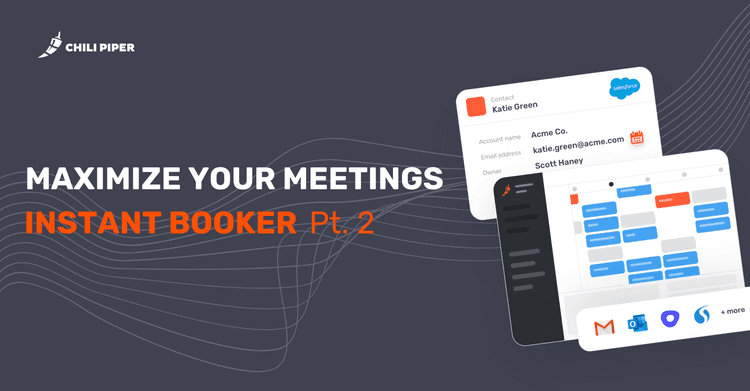
How to Maximize Your Meetings and Improve Show Rates
Articlesread now
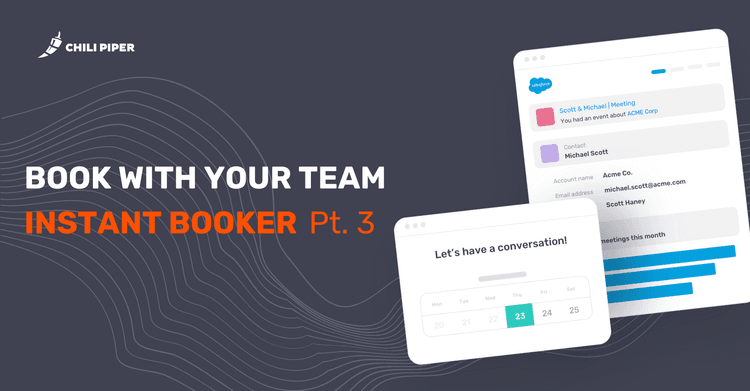
Use Chili Piper with Your Teams
Articlesread now

How to Streamline and Scale With Customer Success Operations
Articlesread now

Chili Piper Announces All Employees Can Now Pick Their Own Titles
Articlesread now

How Chili Piper Achieved 50% Female Leadership
Articlesread now

What is CSM Software and 5 Reasons Why You Need It
Articlesread now
Failing Fast and Failing Together in Customer Success
Articlesread now
Landing Page Optimization: 9 Proven Techniques
Articlesread now

Hiring SDRs: How to Hire a World-Class Outbound Sales Team
Articlesread now

7 Killer Marketing Examples that Will Spark Your Creativity
Articlesread now

How Chili Piper Uses Chili Piper: Spotlight on Demand Generation
Articlesread now

7 Impactful Ways Product Marketers Can Enable Sales Teams
Articlesread now

Ready for 2021? 8 Customer Success Leaders Tell Us What to Expect
Articlesread now

Chili Piper: 2020 By the Numbers
Articlesread now

Research Shows Unexpected Benefit of COVID-19: Better Meetings
Articlesread now

5 Demand Generation Trends to Ignite Your 2021 Growth
Articlesread now

10 Tenets of Highly-Effective Meetings
Articlesread now

Meeting Lifecycle Automation: The Hottest New Category in Revenue Acceleration
Articlesread now

SQL Marketing | Top 5 Strategies - Chili Piper
Articlesread now
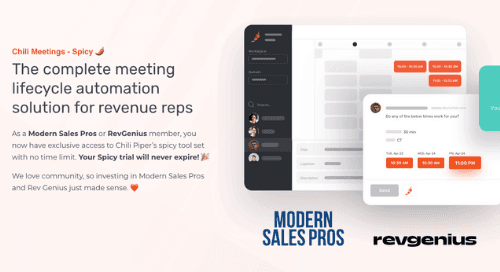
Top Revenue Communities Select Chili Piper as Their Strategic Partner
Articlesread now

Time To Value: How Chili Piper Customers Are Seeing Immediate Results - Chili Piper
Articlesread now

What Is Speed to Contact?
Articlesread now

How to Create the Perfect Product Demo
Articlesread now

12 Ways to Deliver a Product Demo that Converts
Articlesread now
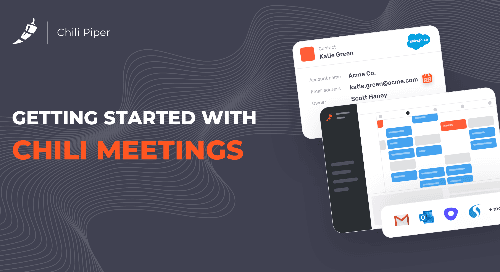
Getting Started with Chili Meetings
Articlesread now

Announcing Our New Outreach Integration – A Spicy One-Two Punch for Revenue Teams
Articlesread now

The Ultimate Guide to Creating an Effective Sales Process - Chili Piper
Articlesread now
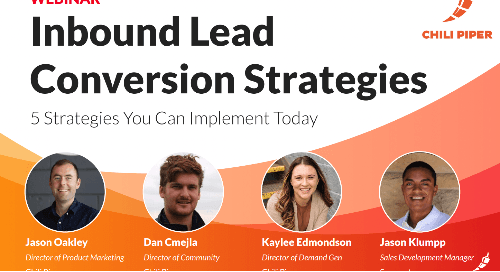
Inbound Lead Conversion Strategies Webinar – 5 Strategies You Can Implement Today
Articlesread now

How to Handle Live Transfers Like a Boss
Articlesread now

What Is a Qualified Lead? (And How to Get More of Them) - Chili Piper
Articlesread now

Increase Adoption, Upsell, Expansion, and Retention – Chili Piper
Articlesread now

Popular Sales Methodologies, Reviewed and Critiqued
Salesread now

Booking Links Alone Won’t Cut It – Why This Twitter Argument Should Make You Rethink Your Scheduling Tool
Articlesread now

How to Handle No Shows
Salesread now
Instant Inbound – The Future of Ultra-Successful Sales
Articlesread now

8 Reasons You Should Not Buy Chili Piper
Articlesread now

Chili Piper’s Speed to Lead Webinar – Here’s What You Need to Know
Articlesread now

Chili Piper Introducing Invite All Feature in Instant Booker
Articlesread now

Free Online Scheduling Tools in 2023
Articlesread now

The Best 10 Online Schedulers - Free and Paid - Chili Piper
Articlesread now

18 Scheduling App Hacks That Will Change Your Life
Articlesread now
Chili Piper Raises $18 Million to Connect Remote Sales Teams to Customers Instantly
Articlesread now

Announcing Our $18 Million Series A Funding – A New Chapter for Chili Piper
Articlesread now

Sales Automation Software To Boost Revenue
Articlesread now

5 Tips to Give You a Second Chance With Abandoning Bookers
Articlesread now

What Is Customer Engagement? The Ultimate Guide - Chili Piper
Articlesread now

27 sales persuasion techniques to close more deals
Articlesread now

Announcing Chili Piper’s New Slack Integration
Articlesread now

5 Meeting Template Tips That Will Increase Your Show Rates
Articlesread now

Upsell Definition – What Upselling Is and How to Do It - Chili Piper
Articlesread now

Cross-Selling Definition | 15 Powerful Tips - Chili Piper
Articlesread now

89 Sales Tips That Are Borderline Magic
Articlesread now

Account Management – 10 Unstoppable Strategies to Upsell, Cross-Sell, and Renew
Articlesread now

Chili Piper Is Incredibly Easy to Use. Let Me Show You.
Articlesread now

What Is a Round Robin Meeting and How to Set It Up
Articlesread now

Lead Distribution System: The Sales Professional’s Ultimate Guide
Articlesread now

Turn Leads to Sales – 31 Hot Tips for Turning Marketing Leads into Closed Sales - Chili Piper
Articlesread now

How to Manage a Remote Sales Team: 8 Powerful Strategies from the Pros
Articlesread now

Lead Management – What It Is and How To Do It - Chili Piper
Articlesread now

Revenue Operations: Everything You Need to Know
Articlesread now

How Inbound Scheduling Automation Speeds Up Sales Opportunities
Articlesread now

Convert Leads into Meetings - 29 Hot Techniques
Salesread now

7 Inbound Lead Conversion Strategies to Use Now
Articlesread now

3 Sales Pipeline Growth Methods During Times of Change
Articlesread now

The Challenges and Solutions for Remote Sales Teams - Chili Piper
Articlesread now

What It’s Really Like to be Part of a 100% Remote Sales Team
Articlesread now
Over 3.7M Meetings Booked Using Chili Piper as Doubling Inbound Conversion Rates Fuel Impressive Growth
Articlesread now

Want to Transform the Way You Onboard Customers?
Articlesread now

8 Simple Tricks to Improve Your Show Rates
Articlesread now

How Embedding a Calendar on Your Landing Pages Could Be Costing You Leads
Articlesread now

A Spicy Coffee Recipe? Why Not!
Articlesread now

Chili Piper AE Of The Year & How to Book More Meetings at Events
Articlesread now
Chili Piper Announces Winners of the Hotly Contested 2019 Account Executive of the Year Awards
Articlesread now

Buyer Enablement Through Email Marketing
Articlesread now

Chili Piper’s Director of Revenue Performance Michael Tuso Wins 2019 BEAST Award
Articlesread now
Chili Piper Announces Two Sales Executives Recognized for Excellence by The AA-ISP
Articlesread now

Why Product Knowledge is a Salesperson’s Superpower - Chili Piper
Articlesread now
Chili Piper Bootstraps Past $2M ARR Attracting $3M Seed Round Led By Flashpoint Venture Capital
Articlesread now

B2B Lead Conversion: 8 Tactics and Strategies
Articlesread now

Using “Dead” Channels to Deliver Massive Opportunities with Jesse Williams - Chili Piper
Articlesread now

How Ahrefs Grew to $40m+ ARR by Ditching Conventional Marketing
Articlesread now

Tutorial By Chili Piper - Google Sheets for Marketers Part I
Articlesread now

How Drift Started a Movement to Achieve Hypergrowth with Dave Gerhardt
Articlesread now

The Secret to Hiring Talented Marketers and Going Viral on LinkedIn - Chili Piper
Articlesread now
How Lucidchart Grew to 14 Million Users with Tyler Bench
Articlesread now
The Unique Content Strategy Databox Used to Create a Community with John Bonini
Articlesread now

Why Using Humor in Your Copy Can Help You Convert Like Crazy with Lianna Patch
Articlesread now
15 Demand Generation Tools to Drive Traffic, Convert Leads, and Close Deals
Articlesread now

How to Use Personalization in Your Marketing Without Being Creepy with Dan McGaw
Articlesread now
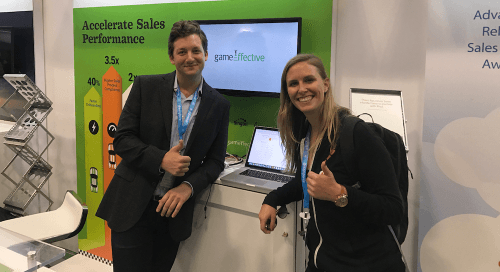
What is Buyer Enablement and 5 Ways to Get Started - Chili Piper
Articlesread now
The Marketing Strategy Len Markidan Uses to Grow Podia 40-50% Each Month
Articlesread now

The Formula for Creating Exceptional Content That Attracts The Right Customers
Articlesread now

How to Cash in with Copy and Turn Casual Visitors into Paying Customers with Joel Klettke
Articlesread now

7 Sales Gamification Ideas To Help Your Team Conquer Quota
Articlesread now

How to Create a Bulletproof SEO Strategy with John Doherty
Articlesread now
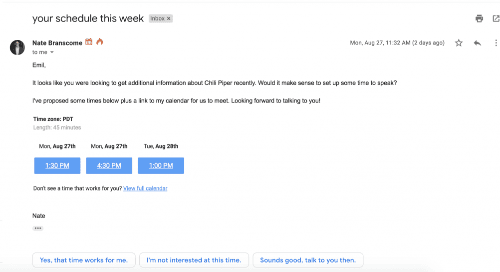
We Tested Suggested Times vs. Link to Calendar in Emails: Here’s What Happened
Articlesread now

The Unlikely Lesson a Karate Master Taught Me About Sales - Chili Piper
Articlesread now

How Getting Screwed by Oracle Inspired Me to Start Chili Piper
Articlesread now

What The Kissmetrics Blog Sale Means For The Future of B2B Content with John-Henry Scherck
Articlesread now

How to Create a B2B Thank You Page That Doesn’t Suck
Articlesread now

Demand Gen Interview: Matthew Howells-Barby from HubSpot
Articlesread now
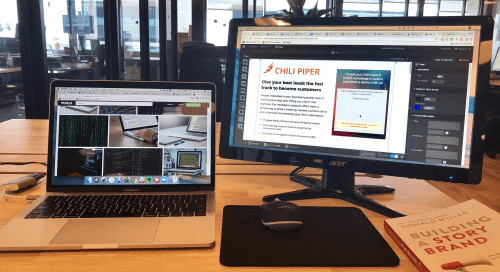
16 B2B Marketing Tools to Create a Bulletproof Tech Stack in 2020
Articlesread now
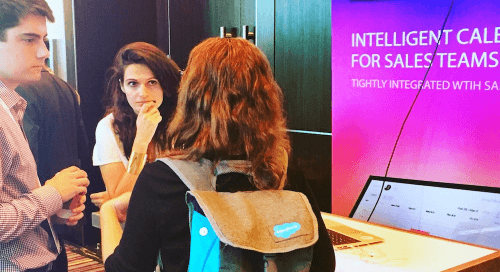
Customer Interviews: The #1 Thing Most B2B Marketers Just Don’t Do
Articlesread now
One company KILLED IT at Dreamforce ’17: Find Out Who and How
Articlesread now
How DiscoverOrg’s sales team boost conversion rate by 138% with Chili Piper
Articlesread now

INTERVIEW: How Segment Evaluates Technology and Stays Ahead of The Curve
Articlesread now
// The Sauce
Get all our secret sauce.
1x a month. No spam, just spice — the B2B plays that actually move pipeline.